


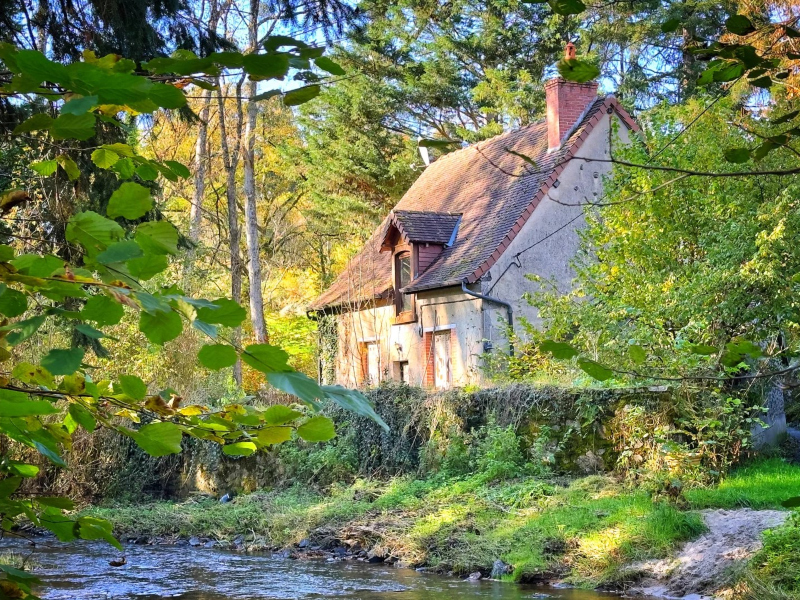
The Tiny Living Trend
For some years there has been a gathering movement of people downsizing and living in tiny spaces. From cars, to vans, to caravans, to yurts - nothing is too small, it seems, to attract someone keen enough to minimalize and simplify their lives.
This has been particularly strong in the USA, where people trapped by a challenging economy have looked for imaginative ways to make the most of a small income. For many it has been a lifestyle choice, representing less cleaning, less maintainence, and more freedom.
More recently in Europe the challenge facing the young to get onto an ever increacingly expensive property ladder, or for the old to maintain their rung upon it, has led to a growth in mobile solutions or Tiny Houses as an option. These range from itinerant van-lifestyle to year-round mobile home communities in Southern Europe, to former Summer-only cabins in Northern Europe being upgraded with modern insulation and heating to offer full-time housing.
Tiny Houses in France
France has been slower to take up this trend, partly due to planning regulations historically being less accomodating to non-traditional builds, and partly to the French market being slower and more pragmatically focussed when it comes to lifestyle than other Western societies where it's important to 'keep up with the Jones's.'
However, here in Central France the Tiny House has always been a firm reality. Historically homes and farms were small and gathered in hamlet communities with activities which complimented and served each other. Families lived in a small space on the upper floor whilst animals lived below, thus helping man and beast negotiate biting winters.
The quintessential property in Central France is the long barn with a tiny house on the end. In recent decades they have been very popular as conversion properties, with the large barns becoming magnificent large open living spaces and the original Tiny House becoming a Gite or Guest Accomodation.
Recent changes in Energy Efficiency requirements on a National and Europe-wide level, and a challenging economic environment spreading to Europe, mean that more and more clients are turning to smaller properties.
Big conversions where you can have all the space you've ever dreamed of are out and properties that are easily renovated, cheaper to run and offer a life free from financial stress are in.
I predict this trend will continue to increase.
Tiny Homes have also become popular rentals, both for full time living and holidays. Minimal living is very appealing, whether just for the novelty or as a trial.
In towns, the traditional live/work space has found a new lease of life with tiny shops and tiny homes combined offering a great way to start a business whilst minimising costs.
What's the secret to making a smaller space work?
Clever design! Small spaces work when things have purpose and, if possible, more than one purpose. Imaginative solutions can turn a dreary small box into a multi level apartment with distinct spaces. Clever uses of windows and openings can bring light and borrowed space into a room, and even a small balcony or terrace is another room.
What's the secret to living happily in a small space?
Make sure you have more than one view or aspect. Different spaces, however small, create variety and (particularly if you are sharing the space) allow for several different activities to take place at once.
It's also important in a shared small space for everyone to have something personal. You may not have your own room, but even a small cupboard or shelf which is exclusively yours can bring a sense of calm and belonging.
If you are interested in finding out more about this topic, there are some excellent YouTube channels including:
- Living Big in a Tiny House
- Tiny Home Tours
- Kirsten Dirksen (not all Tiny Homes, but sustainable alternative living)